A photographers guide to the Okavango Delta
Everything you need to know about this Unesco World Heritage Site
Okavango Delta Facts
The Okavango Delta (commonly referred to as the Delta), in Northern Botswana, was named the 1000th location on the UNESCO World Heritage List and one of a handful of delta ecosystems that do not flood into the sea. Instead, The Delta fills with rains from the Angolan Highlands to the north and dissipates into the sands of the Kalahari Desert ultimately evaporating as an inland delta. The Delta is very flat. In fact, the change in elevation across 15,000 km2 (5,800 sq miles) varies by only 2 metres.
The Delta is divided into areas of national parks, community concessions and private concessions held by safari companies on leases of approximately 20 years. The largest national park area is Moremi Game Reserve and Khwai is one of the largest community trusts. The Khwai Community Concession is situated in the extreme northeast of the Okavango Delta and is controlled by the local communities of Khwai through the Khwai Development Trust.
Photographic highlights along the Okavango River
Photographing Red Lechwe antelope running through the wetlands is a truly iconic Delta image to get as is a large predator, like a lion or cheetah, making the most of a termite mound to survey its surroundings before initiating a hunt.
With there being lots of wide-open spaces in the Okavango Delta large game is easier to find and photograph with creamy smooth backgrounds normally consisting of treelines of the patches of forest.
The Okavango Delta is home to several packs of wild dogs, Africa’s most successful predators, and there is no more exhilarating experience than following a pack on a hunt. The African wild dog tends to set off in the late afternoon and spread out to identify a potential target before calling in the other members of the pack to chase their quarry down. The “kill” is often brutal but mercifully quick but it is their coordinated attack and strategy that will leave you mesmerised.
Landscapes, particularly with subject matter within the frame, are magical especially when piqued by recognisable shapes such as the palm trees which are unique to The Delta. This is even more true at sunset and sunrise.
With a continuous human presence from safari guests and rangers in The Delta, the animals tend to be very relaxed and habituated. Most guides will know some of the resident big cats and the best ways to approach and position them when within their territories.
Where is the Okavango Delta
The Botswana Okavango Delta is a large low gradient alluvial fan more commonly known as an ‘Inland Delta’ and is found in north-western Botswana. The area includes permanent swamps which cover approximately 600,000 ha along with up to 1.2m ha of seasonally flooded grasslands. The islands, channels, river banks, flood plains, oxbow lakes and lagoons constantly change depending on seasonal rains and water resources. The annual flooding of the Okavango river and fascinating river systems account for the deltas’ abundant wildlife and water birds. There truly is something for everyone here.
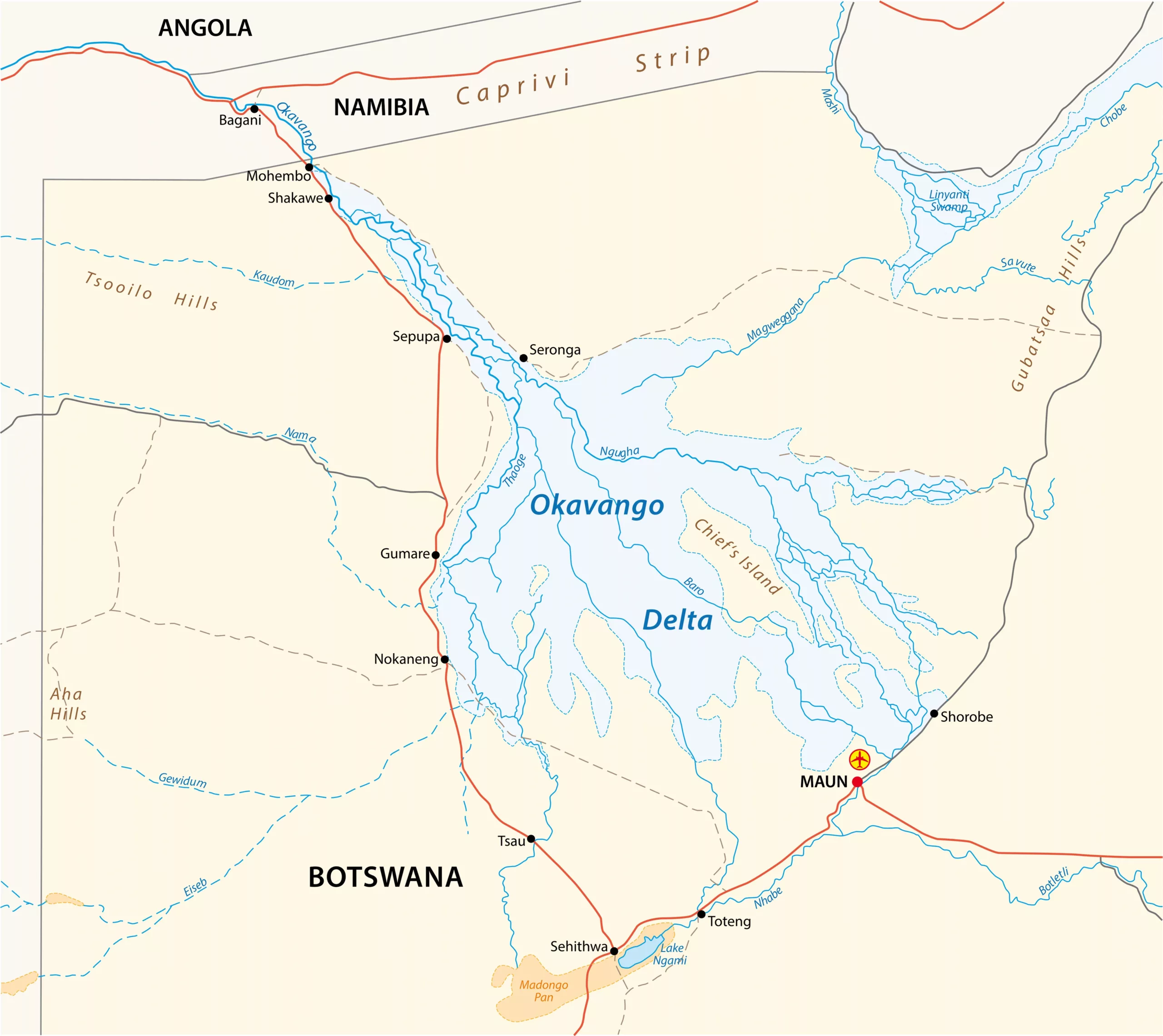
Okavango Delta Map, Southern Africa
A detailed map of waterways of the Okavango. You can clearly see the abundance of channels, lagoons and the core area of the river. When you’re at one of the lodges don’t forget to ask your guide about conservation and the cultural heritage of the Okavango. The information about this region is incredible and definitely something to talk about around the campfire. You’ll without a doubt hear stories of lion, elephants and the wilderness.

Get an inside look at all of our tips and tricks here at Pangolin Photo Safaris! You’ll find information on Botswana, personal camera gear advice as well as side by side safari comparisons and so much more.

Photo Safari Activities in the Okavango Delta
Game Drives
At Pangolin, we tend to go to camps that offer more land-based activities than the “Wet Camps” which operate mainly on the waterways. We find that game drives on the Okavango offer more productivity from a photographic wildlife standpoint.
When you are on a private concession (as opposed to a national park or reserve) you are allowed to off-road on land for special sightings to get to the best position for light and anticipated movement of the subject. One of the best experiences on earth! Being on a river, often with tall reeds on the banks, restricts the view to the flood plains and open areas and limits positioning. There’s a time and place for photographing birds on reeds, but we prefer to search for giraffe, zebra, elephant and more in the wilderness by land.


Mokoro (Dugout Canoe)
Having said that if you have never experienced a Mokoro then you have to at least once. It is a sublime sensation to be propelled by your “poler” in near silence through the narrow waterways and channels.
There are different photo opportunities here if animals come to the water’s edge and among the reeds, you will find dragonflies and painter reed frogs which make for excellent macro subjects. If you’re lucky you might some bigger wildlife Botswana has to offer, such as an elephant having a drink!
Walking
Heading out on foot into the African wilderness is a visceral experience. All your senses are immediately heightened and you will certainly feel alive walking through nature.
The idea is really not to seek out close encounters with large mammals and wildlife, but that does happen and your highly trained guide will make sure that you are always at a safe distance on the islands. Mostly it’s aimed that you will giraffe, zebra and smaller species on the islands.
Walking is an opportunity to not only get some exercise (after lots of sitting on game drives) and a breath of fresh air but to also examine some of the smaller features such as tracks, plants, scat and residents such as dung beetles going about their day. Walking safaris are offered by most lodges in the Okavango but are subject to the availability of a trained guide. Speak to your travel planner if this is something you are interested in. Photographed to the right are walking safaris in both the dry and green season.


More Info
Amazingly with such a varied ecosystem, there are no known species of animal that is unique to the Okavango Delta. That doesn’t mean there is nothing unique to photograph around the Okavango camps!
The Delta is home to some of the largest buffalo breeding herds still roaming Africa and it’s not uncommon to come across herds in excess of 1000 individuals. Talk about incredible game viewing in the delta!
There are very healthy populations of larger predators like the Okavango delta Lions, Cheetah, Leopard, Hyena and African Wild Dog. Not to mention The Okavango Delta is home to some of the world’s most endangered species of large mammals, such as the white rhinoceros and black rhinoceros too.
The scattered water sources, like waterholes and rivers, are nearly always inhabited by pods of hippos as well as crocodiles. Not to mention the large herds of elephant.
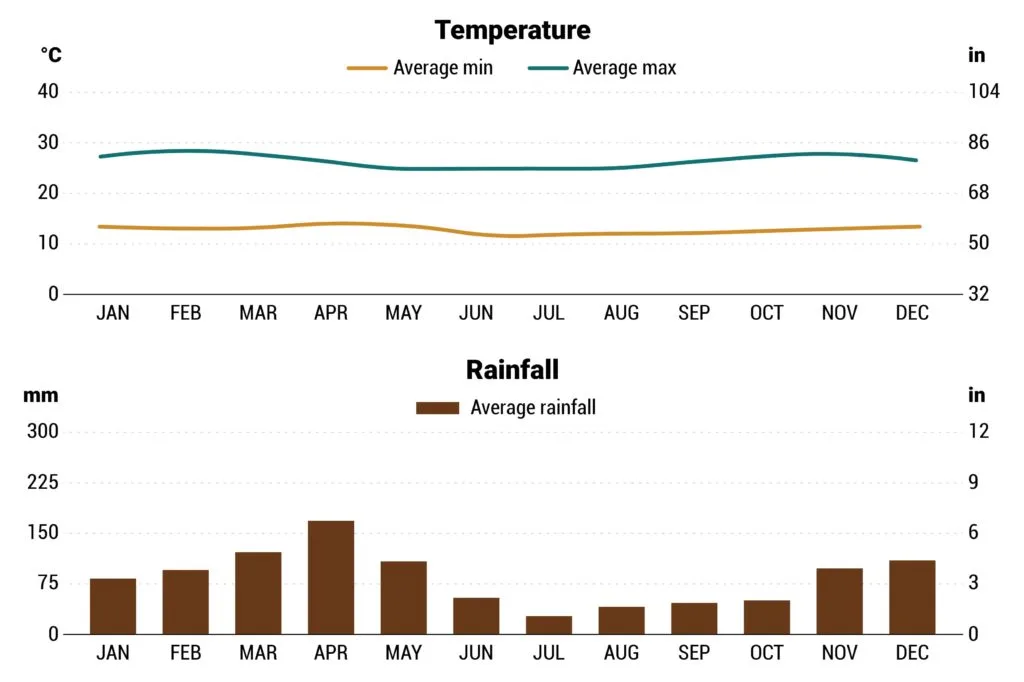
Birdlife is especially abundant in the green season months between November and April when the migratory species arrive in the millions along the river. Permanent residents of the Okavango include Fish Eagles and Saddle Billed Storks – the tallest stork species in the world.
The Delta is mainly multiple shades of green with a few brightly coloured flowers here and there but the smells that waft past you as you are on a game drive are captivating. The aromas of wild sage and the aptly named potato bush will stay with you forever.
The shape of The Okavango Delta is determined by the seasonal floods and water levels that peak around April through to August. The shape also changes again when the floodwaters recede during the dry season – however, the delta is never dry and although water levels are seasonal there are always lagoons of water through the islands. Unlike the Kalahari basin in the Kalahari desert, there are always crystal clear channels, rivers and lagoons throughout the delta and subsequently the Okavango river.
Air
Charter flights are the quick and easy way to get into the Delta and most originate from either Kasane in the North or Maun to the East of the Okavango Delta.
Land
Self-driving is becoming increasingly popular over the last decade or so but you have to remember some crucial factors when it comes to this as regards wildlife photography. Firstly you have to leave yourselves lots of time to explore. On a map, the distances don’t seem huge but your average speed is often down to that of a walking pace when you take into account all the stops you will make and the time to get stuck on occasion too! On that note, it’s only really advisable to self-drive if you have a modicum of 4×4 experience under your belt.
Secondly, you can only self-drive on the game reserves and community reserves (where you can off-road but they tend to be quite busy with other cars). You can’t self-drive in the private concessions unless you are heading to or from a camp.
The Okavango Delta is a very special place all year round. When you decide to visit depends on what it is you are looking to photograph and what constraints your budget has.
Much is written about the green or rainy season not being as productive as the dry season winter months but we simply do not believe this to be true from a photographic standpoint. You can read a detailed article about Green Season in Botswana here.
What is certain is that you really shouldn’t do a safari in Botswana without visiting this amazing place and top African safari destination!